
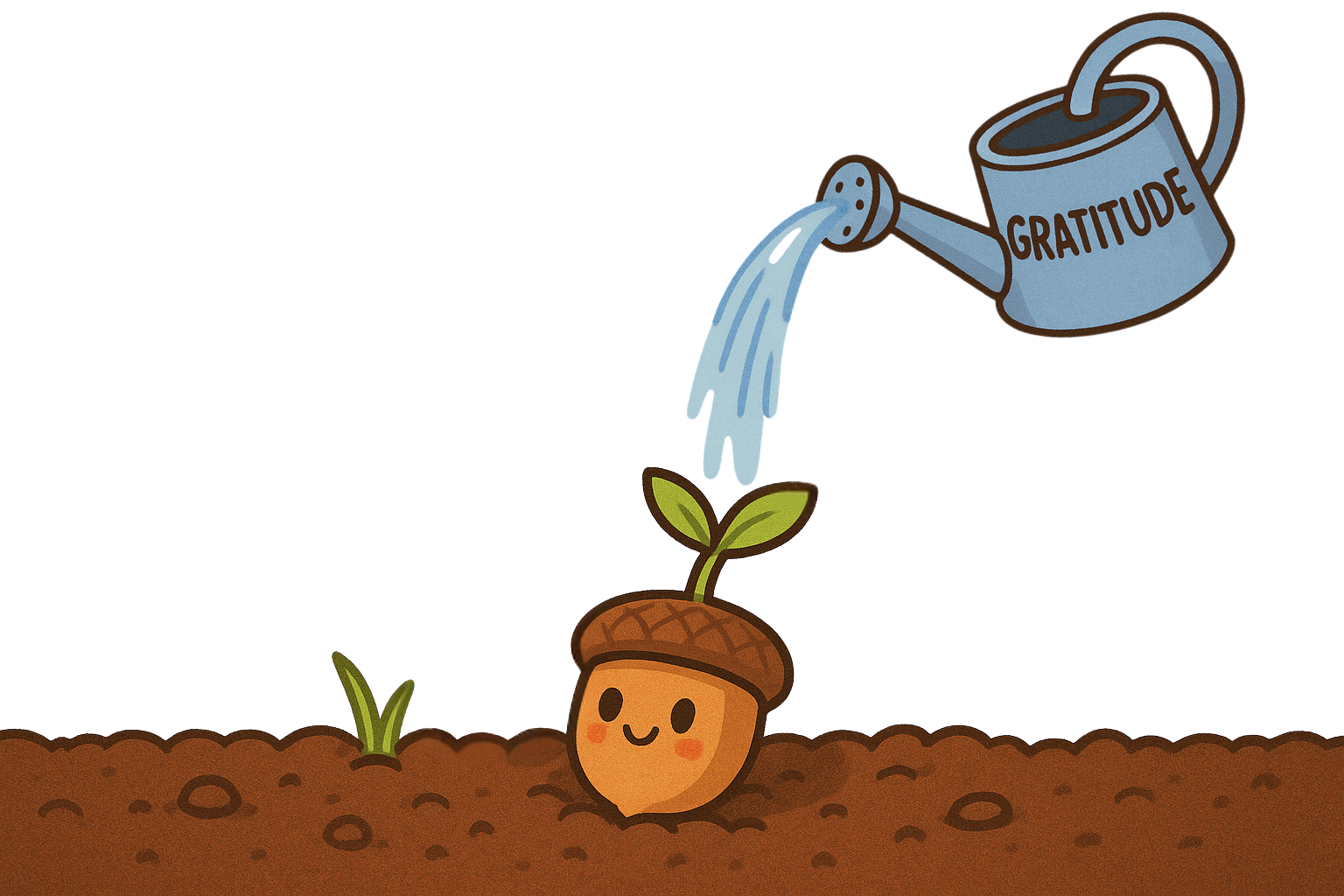
This article is part of our three-part Gratitude Series on improving donor retention through intentional, relationship-centered stewardship. In this series, we walk through the three pillars of a strong donor experience:
Part 1: Identifying your Audience Groups so gratitude feels personal rather than generic
Part 2: Choosing meaningful touchpoints that meet donors where they are
Part 3: Tracking and sharing the work so gratitude becomes a sustainable team rhythm
Use this series to build or strengthen a gratitude system that makes donors feel valued, connected and eager to stay engaged.
Gratitude and Donor Retention
Donor retention averages only 46% across the sector, and just 23% for first-time donors (Bloomerang, 2024). And the #1 reason donors (and volunteers, for that matter) don’t return?
They don’t feel their contribution mattered.
The problem? Gratitude is the bread and butter of nonprofit fund development, yet most nonprofits communicate as if donors are one group with one motivation.
But donors give for different reasons, at different times, with different expectations. When you understand who you’re talking to, you will honor their impact in a way that feels natural, personal and genuinely grateful-without always having to say “thank you.”
Gratitude is any moment you show a donor that their support matters: a timely update, a clear impact statement, a meaningful invitation, even a quick progress report. Every communication is an opportunity to acknowledge their commitment to your mission. And when donors consistently feel seen and connected, they stay.
A thank-you isn’t the end of a transaction; it’s the beginning of a relationship. In Kingdom work, we steward hearts, stories and sacrificial gifts, affirming generosity and reminding donors they are part of something that grows beyond themselves.
Read on to learn the first step of gratitude: how to identify your Audience Groups to tailor communication and strengthen long term relationships.
Choosing Audience Groups
Identifying Audience Groups is not about donor gift size. It’s about donor alignment. When you understand the mindset behind each group, you can express gratitude in ways that speak directly to what matters most to them. This leads to deeper connection, stronger loyalty and a donor experience that feels personal and meaningful.
At The Blue Squirrel, we look at giving consistency, NOT dollar amount.
Anyone can give big once. But consistency reveals connection: heart-level alignment with your mission. And that’s something you help shape through relationship-building, gratitude and meaningful follow-up.
Below is a closer look at the core four Audience Groups, their posture toward your mission and how to focus your gratitude accordingly.
New Donors
These are your first-time givers, regardless of type. Examples of people in this group include:
- A neighbor who just attended their first charity run and donated to support the cause
- A first-time gala attendee who made a one-time contribution
- A friend or family member who gave to a crowdfunding campaign for your organization
- Someone who responded to an email or social media appeal and made their first online gift
Their Posture Toward Your Mission*: Curious, testing the waters, willing to say “yes” once. They’re watching closely to see if their gift mattered and whether this relationship is worth continuing.
How to Show Gratitude: Invite them to the story, share the impact and begin cultivating the relationship.
*A donor’s posture is simply their current mindset and relationship with your mission—how connected, confident and curious they feel right now.
Returning Donors
They gave again—and that’s a meaningful milestone. Examples of people in this group include:
- A donor who contributed to last year’s gala and also donated to this year’s food drive
- A volunteer who started giving after seeing the organization’s work firsthand
- Past participants in community programs who now support the organization financially
Their Posture Toward Your Mission: Encouraged, open-hearted and beginning to trust you. They’ve signaled, “I believe in what you’re doing,” and are waiting for that belief to be affirmed.
How to Show Gratitude: Acknowledge ongoing interest and reinforce their trust.
Specific Program/Initiative Donors
These are donors who show up during specific campaigns or moments—year-end, annual events or targeted initiatives or drives. Examples of people in this group include:
- A supporter who donates only during your year-end appeal
- Regular attendees at a scholarship fundraiser
- People who give during an awareness month campaign, such as Giving Tuesday
Their Posture Toward Your Mission: Rhythm-based supporters who connect most during meaningful times. They love stepping into something meaningful at the right moment and benefit from personal touches that keep them engaged throughout the year.
How to Show Gratitude: Provide event-specific updates, program impact and timely reminders.
Monthly Donors
Your committed givers—whether they give $5 or $500 a month. Examples of people in this group include:
- A parent who sets up recurring donations to support youth programs
- A corporate employee enrolled in workplace giving programs who contributes monthly
- A long-time donor who transitioned to monthly giving
Their Posture Toward Your Mission: Loyal, steady, deeply aligned. These folks see themselves as part of your inner circle and want to feel valued as partners, not transactions.
How to Show Gratitude: Transparency, insider updates and opportunities for feedback.
Start Today
Every act of acknowledgment, update and personal note affirms your supporters’ impact and strengthens relationships, laying the foundation for deeper engagement. Gratitude isn’t just a seasonal gesture—it’s the heartbeat of lasting donor connections and the investment you make now sets the tone for the year ahead.
Start Today: Open your CRM (or your spreadsheet!) and sort every donor into one of your four Audience Groups. Don’t overthink it- begin with the easiest category, like monthly donors (your ACH logs it for you!), and build from there!
Stay tuned for Part 2 to learn how to use these Audience Groups to choose the right touchpoints at the right time.

Sounds great, but your team is stretched thin?
Let’s build an audience-based gratitude strategy
that fits your capacity and strengthens your connections.